This document provides an overview of project management certification, highlighting its importance, types, and the benefits it offers to professionals in the field. With the increasing complexity of projects across various industries, obtaining a certification can enhance one’s skills and career prospects.
Introduction
Project management certification is a formal recognition of an individual’s expertise and knowledge in managing projects effectively. It serves as a benchmark for professionals looking to validate their skills and advance their careers. This document explores the various types of certifications available, their significance, and how they can impact a professional’s journey in project management.
Importance of Project Management Certification
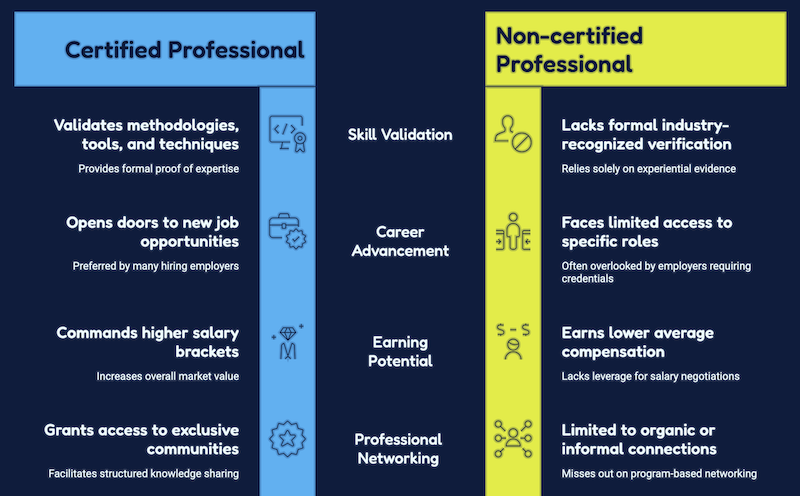
- Skill Validation: Certifications validate an individual’s skills and knowledge in project management methodologies, tools, and techniques.
- Career Advancement: Holding a certification can open doors to new job opportunities and promotions, as many employers prefer certified professionals.
- Networking Opportunities: Certification programs often provide access to a community of professionals, allowing for networking and knowledge sharing.
- Increased Earning Potential: Certified project managers often command higher salaries compared to their non-certified counterparts.
Types of Project Management Certifications
1. Project Management Professional (PMP)
- Offered by: Project Management Institute (PMI)
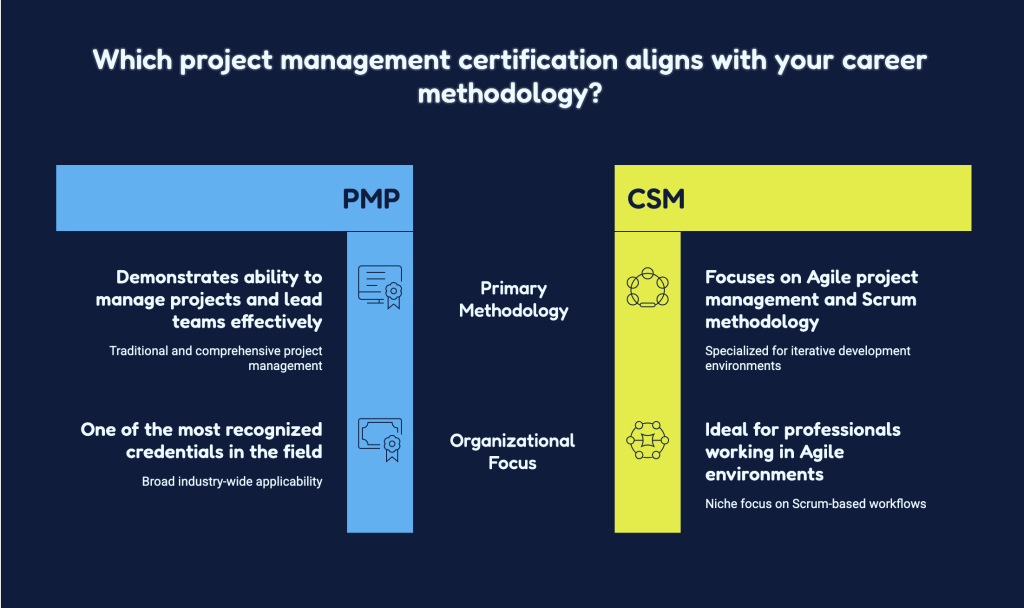
- Overview: The PMP certification is one of the most recognized credentials in the project management field. It demonstrates a professional’s ability to manage projects and lead teams effectively.
2. Certified ScrumMaster (CSM)
- Offered by: Scrum Alliance
- Overview: The CSM certification focuses on Agile project management and Scrum methodology, making it ideal for professionals working in Agile environments.
3. PRINCE2 Certification
- Offered by: AXELOS
- Overview: PRINCE2 (Projects IN Controlled Environments) is a structured project management method that emphasizes organization and control throughout the project lifecycle.
4. Agile Certified Practitioner (PMI-ACP)
- Offered by: Project Management Institute (PMI)
- Overview: This certification is designed for professionals who want to demonstrate their knowledge of Agile principles and practices.
5. Certified Project Manager (CPM)
- Offered by: International Association of Project Managers (IAPM)
- Overview: The CPM certification focuses on the fundamental principles of project management, suitable for those new to the field.
Benefits of Obtaining a Certification
- Enhanced Knowledge: Certification programs provide in-depth knowledge of project management principles, methodologies, and best practices.
- Improved Project Success Rates: Certified project managers are often better equipped to lead projects to successful completion, reducing the likelihood of project failure.
- Global Recognition: Many certifications are recognized internationally, allowing professionals to work in various countries and industries.
- Professional Credibility: Certification enhances a professional’s credibility, making them more attractive to potential employers.
How to Choose the Right Certification
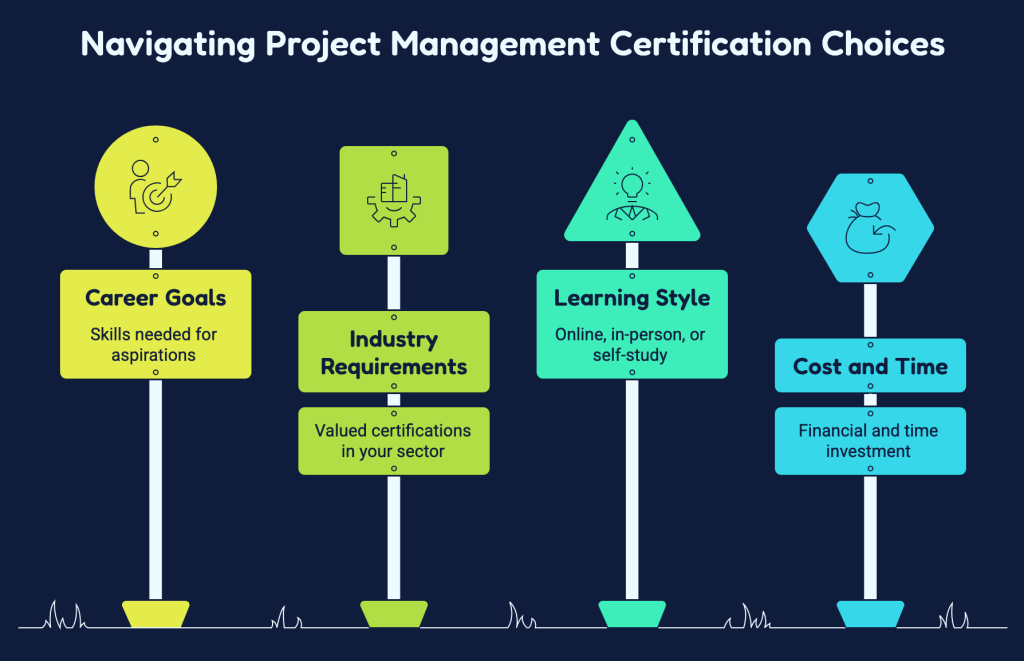
When selecting a project management certification, consider the following factors:
- Career Goals: Align the certification with your career aspirations and the specific skills you wish to develop.
- Industry Requirements: Research the certifications that are most valued in your industry or sector.
- Learning Style: Consider whether you prefer online courses, in-person training, or self-study options.
- Cost and Time Commitment: Evaluate the financial investment and time required to obtain the certification.
Conclusion
Project management certification is a valuable asset for professionals seeking to enhance their skills and advance their careers. With various certifications available, individuals can choose the one that best aligns with their career goals and industry requirements. By obtaining a certification, professionals can validate their expertise, improve their job prospects, and contribute to the success of their projects. The most important is to keep it, visit PDUCampus.com for your PDU.
